
Tax & accounting columns
 Tax
Authority over a Taiwan employer’s bank account can create your own FBAR duty
A US employee can have an FBAR obligation through authority over a Taiwan company’s account, even without owning its funds. Filing exceptions, modified reporting for employees abroad and guidance for former employees require different checks before a records handoff.
Open column → Tax
Supporting parents in the US: the Taiwan exemption depends on your records and tax year
Taiwan tax residents may claim qualifying parents or children abroad, but family ties alone do not establish support; records and 2026 tax year rules decide.
Open column → Tax
From Form 8949 to a Taiwan tax bureau: crypto sales by Americans living in Taiwan
Taiwan tax bureaus send inquiries about crypto trading. If gains count as overseas income, a Form 8949 list needs Bank of Taiwan rates and Chinese translation.
Open column → Tax
Can someone handle my Taiwan tax after I leave? The local-agent rule in Article 72
Article 72 ties a resident agent’s appointment to specific departing taxpayers, special circumstances and approval. Unpaid tax can affect departure processing.
Open column → Tax
A US technology contract and the evidence of work contributed in Taiwan
When a US supplier's service relies on a Taiwan team, work records matter to source and attribution; a contract granting technology rights needs evidence too.
Open column → Tax
Seated on a Taiwan Subsidiary's Board? How a Missed CPA Audit Turns Into Per-Person Fines
If a Taiwan company needing a CPA audit approves its statements without one, each responsible person at fault, often a director, can be fined NT$10,000-50,000.
Open column → Tax
Form 5471 Preparation: Records to Request From a Taiwan Company
After a Form 5471 filing duty is confirmed, a Taiwan company's records can support US preparation through clear periods, currencies and accounting adjustments.
Open column →TaxChanging Bookkeepers in Taiwan: The Records Your Company Still Needs
Changing Taiwan bookkeepers does not end record-retention duties. Paper disposal needs more than a scan, and electronic records must remain fully readable.
Open column → Tax
Vietnamese Tax Incentives and Taiwan's CFC Rules: A Low-Tax Test Decided Case by Case
As of October 2026, Vietnam's standard 20% rate is above Taiwan's 14% CFC line and its 10% incentive rate below it; Taiwan judges such regimes case by case.
Open column → Tax
Taiwan Income Tax on Cross-Border E-Services: 20% Withholding or a May Return
Foreign sellers of online games, ads and other real-time e-services owe Taiwan income tax: Taiwan business buyers withhold 20%, consumer sales are filed in May.
Open column → Tax
Taiwan as a Regional Hub: Free Trade Zones, Bonded Warehouses, Science Parks and the FTZ Income Tax Exemption
Goods re-exported through a Taiwan free trade zone, bonded warehouse or logistics center bear no duty or VAT, while the FTZ income tax exemption needs approval.
Open column → Tax
Taiwan Customs Value for Related-Party Imports: Price Tests, Year-End True-Ups and Advance Rulings
A related-party link alone does not let Taiwan Customs reject an import price, and its year-end transfer pricing scheme covers only entries flagged at import.
Open column →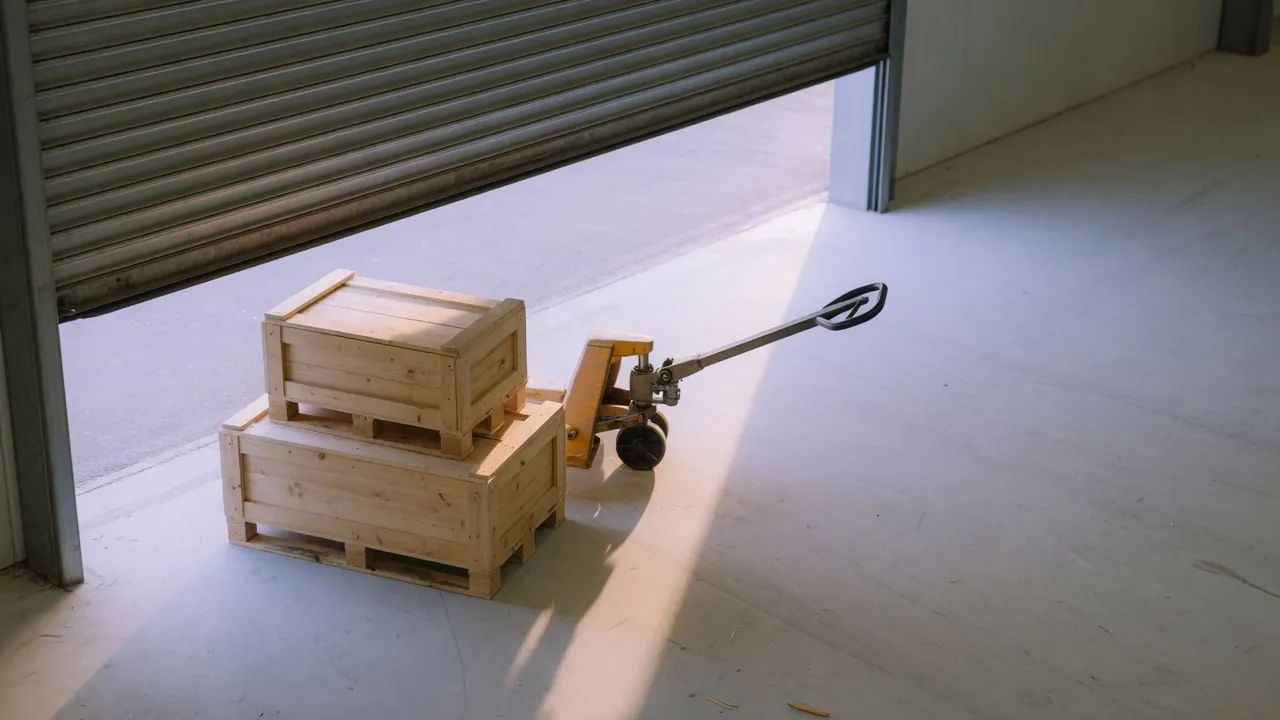 Tax
Shipping Goods to Taiwan: Import Duty, 5% Business Tax, Commodity Tax and a 0.04% Fee
Taiwan Customs collects import duty, 5% business tax, commodity tax on seven product groups and a 0.04% trade fee; general-method importers credit the 5% tax.
Open column → Tax
Pillar Two and a Taiwan Subsidiary: The Parent Runs the 15% Test
Official Taiwan texts show no Pillar Two top-up tax as of October 2026, yet a Vietnamese parent tests Taiwan profits at 15%; US groups can elect a safe harbour.
Open column → Tax
When a Taiwan Subsidiary Owes Tax: Exit Bans on Its Chairman and Criminal Liability
A Taiwan subsidiary with NT$2 million of final tax and fines unpaid can see its chairman barred from leaving; below NT$20 million of final debt, more is needed.
Open column → Tax
Equity Awards from a US Parent: Taiwan Taxes Options at Exercise and Has No RSU Ruling
Taiwan taxes a foreign parent's stock options in the exercise year, prorated by days in Taiwan, and the subsidiary files in January. We found no RSU ruling.
Open column → Tax
Funding a Taiwan Subsidiary with Parent Loans: The 3:1 Limit on Interest Deductions
A Taiwan subsidiary loses part of its interest deduction once related-party debt exceeds three times equity; interest paid to a US parent bears 20% withholding.
Open column → Tax
Installing Equipment at a Taiwan Fab: Tax on the Tool, the Installation Fee and a Six-Month Project
A head office's direct equipment sale to a Taiwan buyer is ordinary trade; on-site installation fees are Taiwan-source, withheld at 20% or 3% under Article 25.
Open column → Tax
Taxed Twice on One Profit: Taiwan's Mutual Agreement Procedure, and What US Groups Use Instead
Taiwan's tax agreements with Japan, Korea and Vietnam allow a mutual agreement request within three years of the first notice. US groups use domestic remedies.
Open column → Tax
Taiwan Stamp Tax for Foreign-Owned Subsidiaries: Contracts, Receipts and Where You Sign
As of October 2026, Taiwan stamp tax is 0.4% on receipts, 0.1% on work contracts and NT$12 per goods sale contract, even between parent and subsidiary.
Open column → Tax
Selling Shares in a Taiwan Subsidiary: The 0.3% Transaction Tax and When the Gain Is Taxed
A foreign parent selling Taiwan subsidiary shares pays 0.3% transaction tax; the gain is taxed only if the stake is not a security or the firm is property-rich.
Open column → Tax
Closing a Taiwan Subsidiary or Branch: The 45-Day, 15-Day and 30-Day Tax Filings
Closing a Taiwan subsidiary means a final-period return within 45 days, VAT deregistration within 15 days and a liquidation return within 30 days of completion.
Open column → Tax
Disputing a Taiwan Tax Assessment: 30 Days to Seek Re-examination, Then Appeal and Court
A Taiwan subsidiary that disputes a tax assessment must apply for re-examination within 30 days, then may appeal to the Ministry of Finance and the courts.
Open column → Tax
Taiwan Representative Offices: What They May Do and What They Still File
A Taiwan representative office may sign, quote, bid and buy for its parent but may not sell. A buying-only office owes no VAT or income tax but must withhold.
Open column → Tax
Taiwan R&D and Equipment Tax Credits for Foreign-Owned Subsidiaries: 15%, 5%, 25% and a 30% Cap
A Taiwan subsidiary can credit 15% of R&D spending or 5% of smart machinery and AI investment against corporate tax, capped at 30% of each year's tax, to 2029.
Open column → Tax
Running a Taiwan Branch: Deducting Head-Office Overhead and Sending Profits Home
A Taiwan branch may deduct a revenue-based share of head-office overhead if two tests are met and it files a CPA-certified report. Remittances are not withheld.
Open column → Tax
Taiwan Payroll for US Assignees and Foreign Hires: Withholding and Social Insurance
Work done in Taiwan is usually taxed there even if a US parent pays. Non-residents face 18 percent withholding, or 6 percent up to NT$44,250 a month in 2026.
Open column → Tax
Business Tax for a New Taiwan Subsidiary: 5% VAT, Bimonthly Returns, Zero-Rated Exports and E-Invoices
As of October 2026 a Taiwan subsidiary pays 5% business tax on output minus input tax, files every two months by the 15th and must upload e-invoices on time.
Open column → Tax
Vietnamese Companies with Taiwan Income: What the Taiwan–Vietnam Tax Agreement Changes
Taiwan withholds 21% on dividends, 20% on royalties and most interest paid abroad. A 1998 agreement caps them at 15%, 15%, 10% for Vietnamese beneficial owners.
Open column →TaxCPA Audits, CPA-Certified Tax Returns and Bookkeeping Rules for Taiwan Subsidiaries and Branches
Taiwan companies need CPA-audited accounts from NT$30 million paid-in capital, or below it at NT$100 million revenue or 100 insured staff; tax has its own test.
Open column → Tax
Taiwan Transfer Pricing Documentation: Local File, Master File and CbCR Thresholds
A Taiwan subsidiary or branch with related-party deals must have transfer pricing documents ready at filing and produce them within a month of a request.
Open column → Tax
Paying a US or Vietnamese Parent from Taiwan: Withholding on Royalties, Service Fees and Interest
A Taiwan subsidiary paying royalties, loan interest or Taiwan-source service fees to a parent with no Taiwan office withholds 20% unless an agreement applies.
Open column → Tax
Taiwan Subsidiary Dividends to a US Parent: Why 21% Still Applies
A Taiwan subsidiary withholds 21 percent on dividends to a foreign parent. Japan and Korea cap it at 10 percent, Vietnam at 15, and no US agreement is in force.
Open column → Tax
A Taiwan Subsidiary's Tax Year: May Return, September Prepayment, 5% Surtax
A Taiwan subsidiary files its 20% income tax return in May, prepays half of last year's tax in September, and may owe 5% on retained earnings and a minimum tax.
Open column →Earlier related columns
 Tax
Selling Apps, Games or SaaS to Taiwan Without an Office: When VAT Registration Applies
A foreign company with no Taiwan office must register for business tax once e-service sales to individuals in Taiwan pass NT$600,000 a year, up from NT$480,000.
Open column → Tax
U.S.–Taiwan Chip Investment: Royalties, Fees and the Treaty Gap
U.S. chip suppliers face Taiwan withholding on royalties and service fees while tax relief bills remain pending. Contract terms shape the cost of expansion.
Open column → Tax
When a Taiwan company must recognize its overseas subsidiary's profits
Taiwan's corporate CFC rules can pull low-tax overseas subsidiary income into the parent tax base when control tests are met. Exemptions need early documents.
Open column → Tax
Taiwan Shares, US Investors and Two Tax Systems
Holding Taiwan-listed shares and ETFs directly can bring Taiwan transaction tax and dividend withholding, plus separate US tax and reporting. Fund type matters.
Open column → Tax
Taiwan Income Tax Residence When You Arrive or Leave Midyear
A move in or out of Taiwan can change what income you report. Check domicile, the tax-year day count, where you worked, who paid you, and departure date.
Open column → Company setup & investment
Entering the Taiwan Market: Key Differences Between a Subsidiary and a Branch
A Taiwan subsidiary is a separate legal entity, but a branch is part of the foreign head office. Contracts, liability, tax, and profit remittance differ.
Open column → Company setup & investment
Closing a Taiwan Company: What Happens to Capital and Company Assets?
Paid-in capital becomes company property in a Taiwan company account. Closing, capital reduction, and suspension each follow different asset procedures.
Open column →