
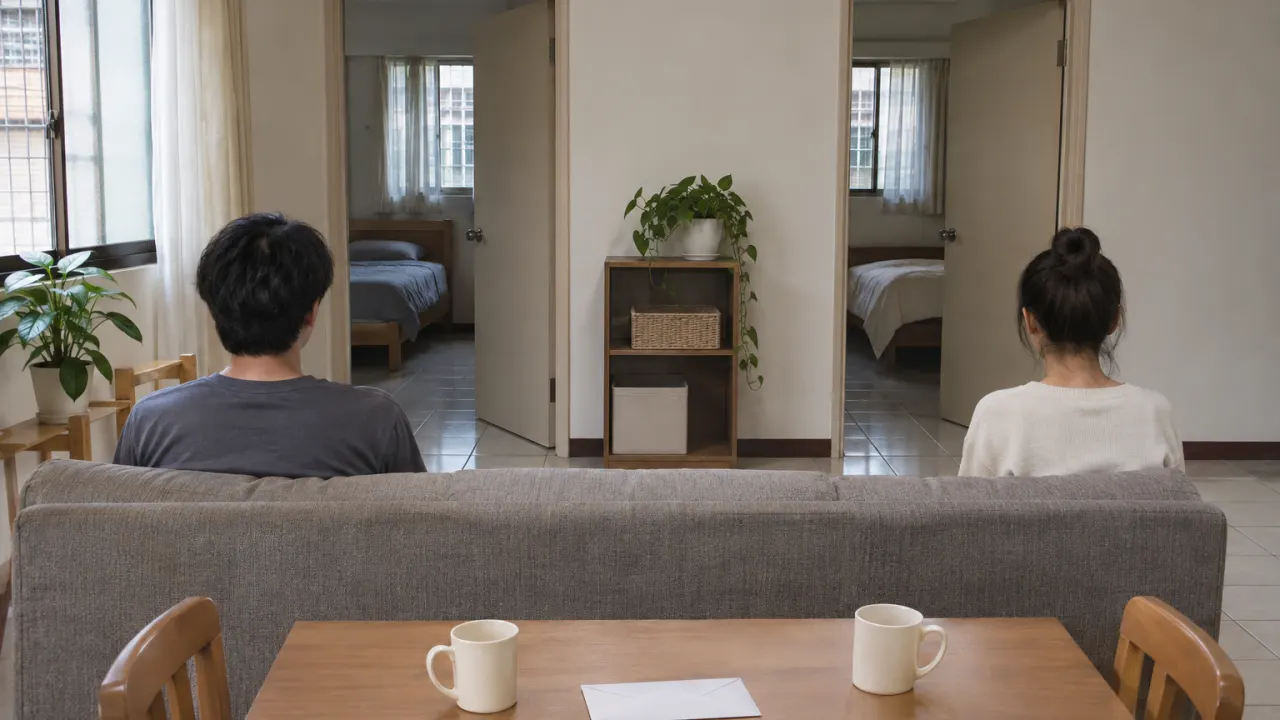
"Renting out one room isn't subletting the flat, so the landlord doesn't need to agree." Under Taiwan's Civil Code alone, that is right. Housing leases, though, have a stricter statute.
Civil Code art. 443(1) bars subletting without the landlord's consent but lets a tenant of a house sublet part of it unless the lease says otherwise. The Rental Housing Market Development and Regulation Act (the Rental Housing Act) goes further: under art. 9(1), subletting all or part of a home requires the landlord's written consent. A verbal yes is not enough.
Why the Rental Housing Act comes first
A special rule on a matter applies first (Standard Act for Laws and Regulations art. 16). On consent to sublet, that makes written consent the test wherever the Act applies. It does not apply to holiday or travel lets, housing run by government or its dedicated bodies, housing run by cooperatives, or leases under 30 days (art. 4); there, art. 443 governs.
Mandatory terms from the Interior Ministry for standard-form housing leases (住宅租賃定型化契約應記載及不得記載事項, last amended April 18, 2025; the mandatory terms) reach further still. Point 8(3) requires consent to sublet, lend, otherwise let others use the home, or assign the lease. A rent-free friend can be a breach. Rental Housing Act art. 5(1) treats landlord and tenant as in a consumer relationship, and under Consumer Protection Act art. 17(5) the mandatory terms form part of a standard-form contract even if omitted.
What if you sublet without consent? Termination. The landlord may end the lease early, with no compensation to the tenant (art. 10(1)(3)), after written notice with evidence 30 days ahead (art. 10(2)(1)). Other grounds differ. Civil Code art. 443(2) reaches only sublets breaching art. 443(1): the whole home, or part despite a ban. Point 17(6) covers subletting or assignment without consent under point 8(3) in standard-form leases.
Three ways people share
| Arrangement | Who signed with the landlord | Landlord consent | Damage to the flat |
|---|---|---|---|
| Everyone signs one lease | All, as co-tenants | No sublet among co-tenants | Lease wording, Civil Code arts. 271–272 |
| One tenant sublets rooms | One tenant | Written consent (art. 9) | Tenant answers for subtenant fault (art. 444(2)) |
| One tenant, a friend lives rent-free | One tenant | Consent under point 8(3) | Tenant answers for co-occupant fault (art. 433) |
Subletting with consent
In the Act's terms, the person subletting is the "sublessor" and the room renter the "subtenant" (art. 3(10)–(11)). The sublessor must show the subtenant the written consent and state in the sublease the scope, term and termination grounds of the head lease (art. 9(2)), then notify the landlord in writing within 30 days of signing (art. 9(3)). Point 12(5) adds the subtenant's name and address and bars exceeding the consented scope or term; point 8(4) provides a consent form.
The head lease continues (Civil Code art. 444(1)). The sublessor still owes the landlord the whole rent and answers for damage the subtenant causes (art. 444(2)). The subtenant has no contract with the landlord.
Renting a room? Check three things. First, the written consent: without it the landlord can end the head lease, and you may have to leave. Second, when the head lease ends. Third, the deposit: art. 3 defines leases (item 2) and sublets (item 9) alike as letting a home for rent, so art. 7's two-month cap reads as covering sublessors too.
Everyone signed: joint, or split?
Wording decides. Where several people owe one divisible debt, each bears an equal share unless a statute or the contract says otherwise (Civil Code art. 271). Joint and several liability arises only if expressly agreed or provided by law (art. 272).
One line, "each tenant is liable for the whole", changes that. The landlord may then claim all or part from any one or more tenants, and all stay liable until the debt is paid in full (art. 273).
Between roommates, the debt is shared equally unless otherwise agreed, but loss caused by one person's own fault is theirs (art. 280). Whoever pays more than their share can recover the others' shares with interest (art. 281(1)). Different rents for different rooms? Put the split in writing.
One person's arrears can sink everyone. If rent or charges reach two months' rent and stay unpaid after a demand, the landlord may terminate on 30 days' written notice (art. 10(1)(2), (2)(1)). There is one lease, so everyone leaves.
What about roommates not on the lease? Art. 8(1) requires handing the tenant a home fit for the agreed residential use and keeping it habitable, so repair requests should come from whoever signed.
The deposit: two months' rent at most
By definition, a deposit secures the tenant's liability for damage and for leftover belongings (art. 3(13)). Which roommate bears repairs taken from it is separate; under joint liability, fault-caused damage stays with its maker (art. 280).
Under art. 7, the deposit may not exceed two months' rent, and the landlord returns it, or the balance after offsetting lease debts, once the lease ends, the home is returned and those debts are settled. Point 5 matches, limiting offsets to damage (point 12(4)), the penalty for unannounced termination (14(3)), unpaid rent and charges plus rent-equivalent sums and penalties for late return (15(3)–(4)), and disposal of leftovers (19(2)).
Who gets it back? With nothing agreed, a divisible claim is shared equally (art. 271). The landlord does not know who fronted what, so record the refund account and each share in writing the landlord also signs. Recovering a withheld deposit is covered in our deposit guide.
Bills: point 6 and the roommates' own deal
Point 6 has tick boxes for who pays management fees, water, electricity, gas and internet. If the tenant pays management fees and they rise through neither side's fault, the tenant bears at most 10% of the increase; a decrease lowers the charge. Electricity charged by usage may not exceed the bill's average price per unit for the period, and shared-area electricity not merged into the unit's bill through Taipower cannot be added. A flat charge may not exceed the bill's total. Where the tenant pays electricity, the landlord must provide the billing information, and the tenant may ask Taipower directly (point 11(4)).
At move-out the landlord settles rent and point 6 charges (point 15(1)) and may offset unpaid amounts against the deposit (point 15(4)). One roommate's unpaid power bill can come out of everyone's deposit.
These boxes bind landlord and tenant only; among roommates, art. 280's equal share is the default for joint debts unless they agree a formula. Arrears in management fees or other charges reaching two months' rent, unpaid after a demand, are a termination ground on 30 days' written notice with evidence (point 17(3) and second paragraph).
When one roommate leaves first
There is one lease. When a lease is terminated under a statutory right and one side has several people, notice must be given by or to all of them (Civil Code art. 263, applying art. 258(2)). Moving out alone does not end one person's tenancy. Even if only one roommate has an early-exit ground under Rental Housing Act art. 11(1), such as long-term medical care, all must give the notice, 30 days ahead in writing with evidence (art. 11(3)).
Under joint liability the leaver stays liable until the debt is paid (art. 273(2)). Handing over a place is assigning the lease, which needs consent (point 8(3)); a document signed by landlord, leaver and newcomer makes clear who the tenants are. Early termination of the whole lease is covered in our early-exit article.
At expiry, a fixed-term lease ends (Civil Code art. 450(1)) and the home is returned (art. 455) through a joint handover check; a party who ignores a demand to attend is treated as having completed it (Rental Housing Act art. 12(1)). Tenants must also move household or other registration (point 15(1)). A tenant who stays on without prompt objection continues the lease without a fixed term, though the article is silent where only some co-tenants stay (art. 451).
Belongings left after the handover are treated as abandoned if not collected after the landlord's demand, and disposal costs come out of the deposit, with any shortfall claimed from the tenant (art. 12(2)). That is everyone's deposit.
Working with a lawyer in Taiwan
Lawyers in Taiwan can review lease clauses, draft consents and cost-sharing agreements, recover rent paid for a departed roommate, and handle deposit disputes. Consultations on civil disputes are available at wei@hoveringlaw.com.tw. Hovering International Law Firm (昊鼎國際法律事務所), Taipei: 7F-2, No. 35, Sec. 1, Chengde Rd., Datong Dist., Taipei City 103. Taichung: 6F-1, No. 19, Guanqian Rd., North Dist., Taichung City 40453.
Already sublet a room? Notify the landlord within 30 days of signing: scope, term, and the subtenant's name and address.
Sources
Checked November 3, 2026. Taiwan law is quoted from the Chinese originals. No court judgments are cited.
- Rental Housing Market Development and Regulation Act (租賃住宅市場發展及管理條例), art. 3
- Same Act, art. 4
- Same Act, art. 5
- Same Act, art. 7
- Same Act, art. 8
- Same Act, art. 9
- Same Act, art. 10
- Same Act, art. 11
- Same Act, art. 12
- Ministry of the Interior, mandatory and prohibited terms for standard-form housing leases (amended Apr. 18, 2025) — Executive Yuan page
- Same terms, full text PDF — Executive Yuan
- Consumer Protection Act, art. 17
- Standard Act for Laws and Regulations (中央法規標準法), art. 16
- Civil Code, art. 258
- Civil Code, art. 263
- Civil Code, art. 271
- Civil Code, art. 272
- Civil Code, art. 273
- Civil Code, art. 280
- Civil Code, art. 281
- Civil Code, art. 433
- Civil Code, art. 443
- Civil Code, art. 444
- Civil Code, art. 450
- Civil Code, art. 451
- Civil Code, art. 455
Frequently Asked Questions
- Only my name is on the lease. Can I rent the spare room to a friend?
- Under the Rental Housing Market Development and Regulation Act, subletting all or part of a home needs the landlord's written consent (art. 9(1)). Without it, the landlord may end the lease early after written notice with supporting evidence 30 days ahead (art. 10(1)(3), (2)(1)). With consent, show it to the subtenant and notify the landlord in writing within 30 days of signing the sublease (art. 9(2)–(3)).
- My roommate disappeared without paying rent. Do I owe their share?
- If the lease you both signed expressly makes each tenant liable for the whole, the landlord can claim the full amount from you (Civil Code arts. 272(1), 273), and you can recover your roommate's share with interest from them (art. 281(1)). Without that express term, divisible money debts are generally shared equally (art. 271). If only your name is on the lease and the roommate is your subtenant, you owe the landlord the full rent.
- Who gets the deposit back?
- The landlord returns the deposit, or what is left after offsetting lease debts, when the lease ends, the home is returned and those debts are settled (Rental Housing Act art. 7(2)). With several tenants and nothing agreed, a divisible claim is generally shared equally (Civil Code art. 271). Writing down who paid what, and which account the refund goes to, avoids disputes.
This article provides general information and is not legal advice on any individual matter.


