Taiwan's compulsory motor insurance is often described as no-fault. Mostly that is right. On May 13, 2016, the Kaohsiung District Court ordered the mother of a motorcyclist killed in a crash to repay the NT$1 million she had received from the Special Compensation Fund, plus interest (Kaohsiung District Court civil judgment 105 Su No. 658). The rider had been drinking.
This was a first-instance judgment. It allowed an appeal within 20 days of service, and whether anyone appealed cannot be confirmed from the public copy.
2:40 a.m. in Kaohsiung
According to the Fund, the crash happened at about 2:40 a.m. on July 27, 2014. The rider hit the back of a small truck parked illegally on a brick sidewalk, its rear sticking out into the slow lane, and died of the injuries. The truck had no compulsory insurance, so the mother claimed from the Fund under Article 40(1)(ii) of the Compulsory Automobile Liability Insurance Act and received NT$1 million.
She did not appear in the Fund's later lawsuit or file anything. The court decided on the Fund's arguments alone and treated the payment as admitted.
A blood alcohol level of 0.108 percent
The Fund relied on a criminal judgment about the same crash, and the court checked the criminal file itself. A forensic report recorded 108 mg/dL of alcohol in the rider's blood, a concentration of 0.108 percent. That is far above the 0.05 percent set in Article 185-3(1)(i) of the Criminal Code.
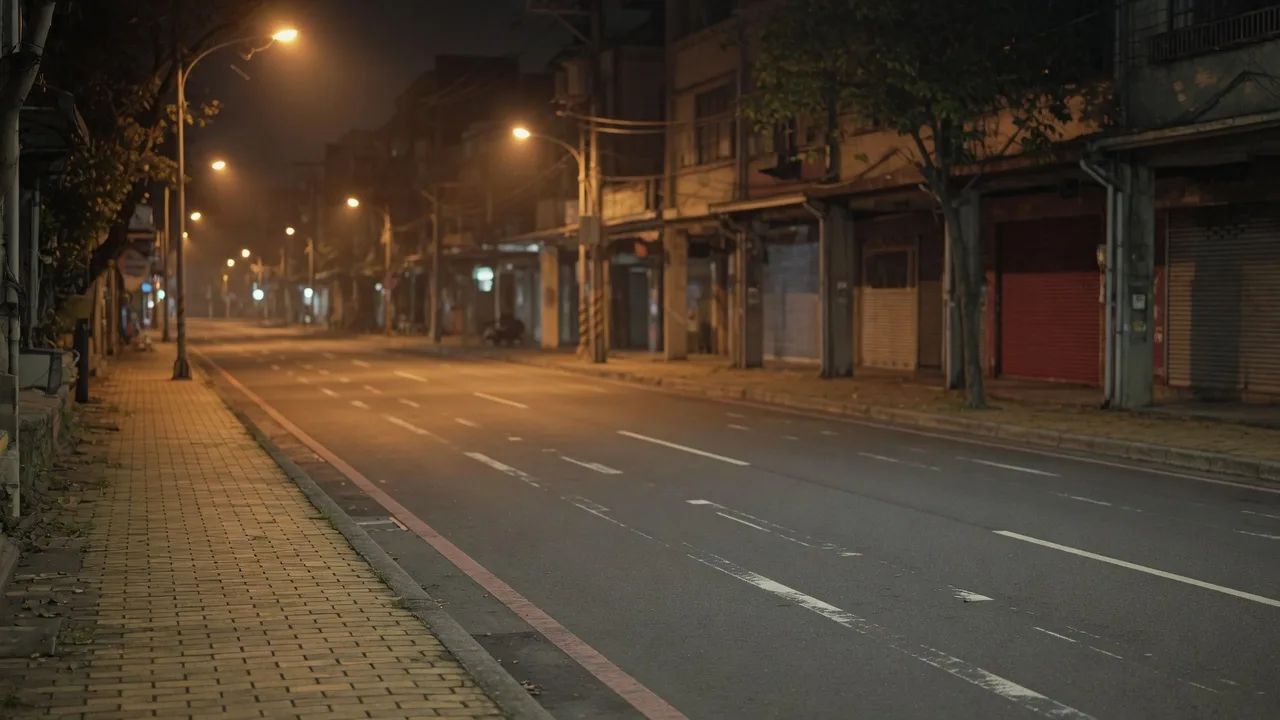
That night the road surface was sound, the street was lit and visibility was good. Had alcohol not affected the rider's attention, reactions and control, the court reasoned, the rider would not have failed to notice a truck standing in the slow lane and ridden straight into it. Drunk riding, a criminal act, was therefore one cause of the death, with a sufficient causal link between the two.
What about the illegal parking? Even if the person who parked the truck was also negligent, the court wrote, that was only one cause of the crash. It did not remove the causal link between the drunk riding and the accident.
Money the Fund never owed
Article 28(1) of the Act relieves an insurer of liability where an accident results from an intentional act or a criminal act by the victim or another claimant. Article 40(6) applies that rule to the Fund.
From there the conclusion was short. The Fund had no duty to pay, so the mother had no legal ground to receive the money. Under Article 179 of the Civil Code, the court treated the NT$1 million as unjust enrichment and ordered its return.
It was the family, not the rider, who received the money. Even so, where the victim's own criminal act caused the accident, the statute bars the family's claim as well.
What the case left open
The judgment did not deal with any civil claim against whoever parked the truck. Fund compensation and civil damages run on separate tracks, and this ruling concerned only the first.
Interest runs at 5 percent a year from February 14, 2016, the day after the complaint was served.
Sources
- Kaohsiung District Court civil judgment 105 Su No. 658 (May 13, 2016; copy published by the Special Compensation Fund)
- Compulsory Automobile Liability Insurance Act, Articles 7, 28 and 40 (current text as amended June 15, 2022; checked November 3, 2026)
- Criminal Code, Article 185-3
- Civil Code, Article 179
Frequently Asked Questions
- Don't Taiwan's compulsory insurance and compensation fund pay regardless of fault?
- In principle, yes: a claimant may claim whether or not the person who caused the crash was at fault (Compulsory Automobile Liability Insurance Act, Article 7). But an insurer is not liable where the accident resulted from an intentional act or a criminal act by the victim or another claimant (Article 28(1)), and Article 40(6) applies that rule to the Special Compensation Fund.
- Why did money already paid have to be returned?
- The court held that the Fund had never owed compensation, so the recipient had no legal basis for keeping it. That made the payment an unjust enrichment to be returned under Article 179 of the Civil Code.
- Does it matter that the truck was illegally parked?
- The court said that even if the person who parked the truck was also negligent, that was only one cause of the crash and did not break the causal link between the drunk riding and the death. Other cases turn on their own evidence.
This article provides general information and is not legal advice on any individual matter.