Under Taiwan's sale-of-goods rules, a buyer must inspect received goods promptly, using the ordinary procedure appropriate to their nature, and immediately notify the seller of defects for which the seller is responsible. An internal quality hold at a US warehouse does not communicate those findings to the Taiwan supplier. Waiting for a final root-cause report can leave a notice problem even while the engineers are working on the failure. Civil Code Article 356.
These rules concern a sale governed by Taiwan law. A supplier's Taiwan address does not settle the governing-law question, and a contract combining design, installation and a promised result may need a different legal classification. Read the signed agreement and incorporated purchase terms before applying a sales remedy. Taiwan's choice-of-law Article 20 addresses party choice and the fallback where no valid express choice exists.
The first notice can precede the final diagnosis
Identify the purchase order, shipment and affected lots, then describe the departure from the agreed specification. Include when the goods arrived, when inspection took place and what the tests actually found. If the cause or total affected quantity remains unknown, say so. A provisional description can distinguish observed bent contacts or failed measurements from an untested conclusion about the manufacturing process.
Use the contract's notice method and recipient, and coordinate the technical exchange with the people authorized to address the seller's obligations. Preserve the message as sent, its attachments and delivery evidence. A buyer dealing through a trading company should identify the contractual seller as well as the factory conducting the investigation. The firm's Taiwan entity and operating-structure column explains why contract, inventory and support functions may sit with different entities.
Article 356 does not give every buyer a standard seven-, fourteen- or thirty-day inspection window. It also distinguishes defects that ordinary inspection could not uncover: those still require immediate notice once discovered. Failure to give the required notice can result in deemed acceptance of the goods. If the seller intentionally concealed the defect, Article 357 disapplies Article 356; concealment needs evidence and should not be assumed from a disagreement about test results.
The agreed acceptance protocol can help establish what was supposed to be tested, but a signed acceptance sheet and a later latent defect raise different questions. Compare the specification revision, test method, sampling plan and any stated warranty. The firm's capacity-prepayment article discusses negotiating acceptance criteria before placing an order; after delivery, those agreed criteria become part of the evidence.
Keep the goods capable of being examined
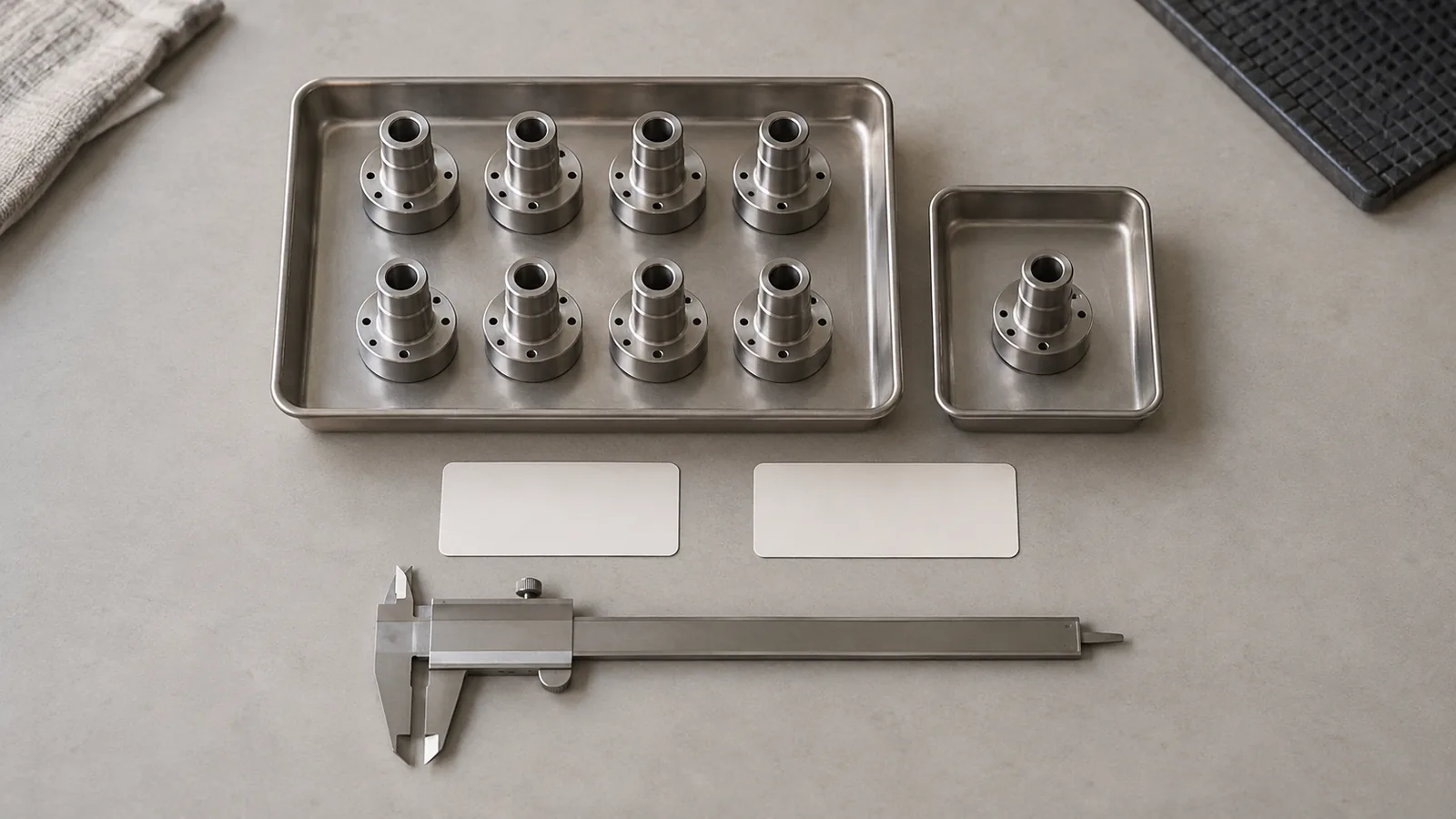
Separate the affected stock, record the lot and serial numbers, and retain representative samples with their original test data. Keep packaging and receiving photographs where transit damage is a possible explanation. Record storage conditions and any rework or further testing that changes the samples. This allows the later investigation to distinguish what arrived from what happened after receipt.
That distinction matters under Article 354. The seller's statutory warranty concerns the condition of the goods when risk passes to the buyer, including defects affecting value or ordinary or agreed usefulness and the absence of guaranteed qualities. An insignificant reduction is excluded from the article's defect standard. A failure observed weeks later therefore calls for evidence of its origin, rather than an assumption that the seller caused every subsequent loss.
There is a specific rule for goods sent from another location. If the buyer rejects them for defects and the seller has no agent at the place of receipt, Article 358 requires temporary custody. The buyer must also promptly obtain appropriate evidence of the defects; otherwise the goods are presumed defect-free on receipt. Its special provisions for perishable goods are not a general permission to scrap an industrial shipment.
Before destructive testing, reworking the whole lot or returning all samples, agree on an evidence plan where practicable. Specify which samples will be tested, who may attend, what records will be retained and which items remain available for examination. If urgent safety measures are required, document them and obtain advice on the resulting preservation and notification issues. Do not delay necessary safety action simply to keep a sample untouched.
A defect report does not choose the remedy
The purchase team may want replacement stock while finance wants a credit and the production team wants permission to repair locally. Resolve who is authorized to agree on that outcome and what the agreement will settle.
Where the seller bears defect-warranty responsibility, Article 359 provides for rescission or a price reduction. If rescission would be manifestly unfair in the circumstances, the buyer is limited to price reduction under that provision. Article 364 permits a demand for conforming substitute goods where the goods are designated only by kind; that should not be promised for every unique machine.
Damages need their own basis. Article 360 addresses missing guaranteed qualities and intentional nondisclosure of defects. A separate incomplete-performance claim under Article 227 requires an attributable failure and its own conditions. Neither route automatically reimburses every downstream charge. Keep the underlying customer demand, downtime record and repair expense, and examine causation and the contract's allocation of loss. Relabeling a late warranty complaint as breach of contract is not a reliable cure for missed action.
Keep notice dates and remedy dates apart
Article 365 sets two limits for defect-based rescission and price reduction:
| Starting point | Consequence under Article 365 |
|---|---|
| Notice given under Article 356 | The right expires if not exercised for six months after that notice |
| Delivery of the goods | The right expires five years after delivery |
The second limit can arrive before six months have passed from a late-discovered defect. These are not universal deadlines for every possible damages or contractual warranty claim. If the seller intentionally failed to disclose the defect, Article 365 removes the six-month rule, while the five-year limit remains.
Reporting a failure is not necessarily an exercise of rescission or price reduction. Under Article 258, rescission is exercised by a declaration to the other party. Have the proposed remedy and communication reviewed while repair discussions are still underway. Do not assume a replacement proposal keeps all rights open indefinitely.
A seller's request for a decision can require earlier attention. Article 361 allows the seller to set a reasonable period for the buyer to decide whether to rescind. If the buyer does not exercise rescission within that period, the rescission right is lost. Forward such a request to the person handling the legal response, even if it arrives in the same email chain as engineering questions.
For a Taiwan supply-dispute consultation, give the delivery, discovery and first-notice dates, identify the contracting seller and describe the remedy sought. Arrange secure document delivery before sending specifications, customer records or a full test-data set.
Official sources checked: October 10, 2026. The cited Civil Code sales and obligation provisions are in force; the official amendment history was checked against the current Chinese text. Chinese statutory text controls. This is general Taiwan legal information for business purchases, not a determination that a particular shipment is defective or that Taiwan law governs the contract.
This article provides general information and is not legal advice on any individual matter.