
Tenants often hear that fit-out money can be claimed back from the landlord at move-out. Taiwan's Civil Code has such a rule: Article 431. But it sets three conditions and a cap, and the claim lasts two years.
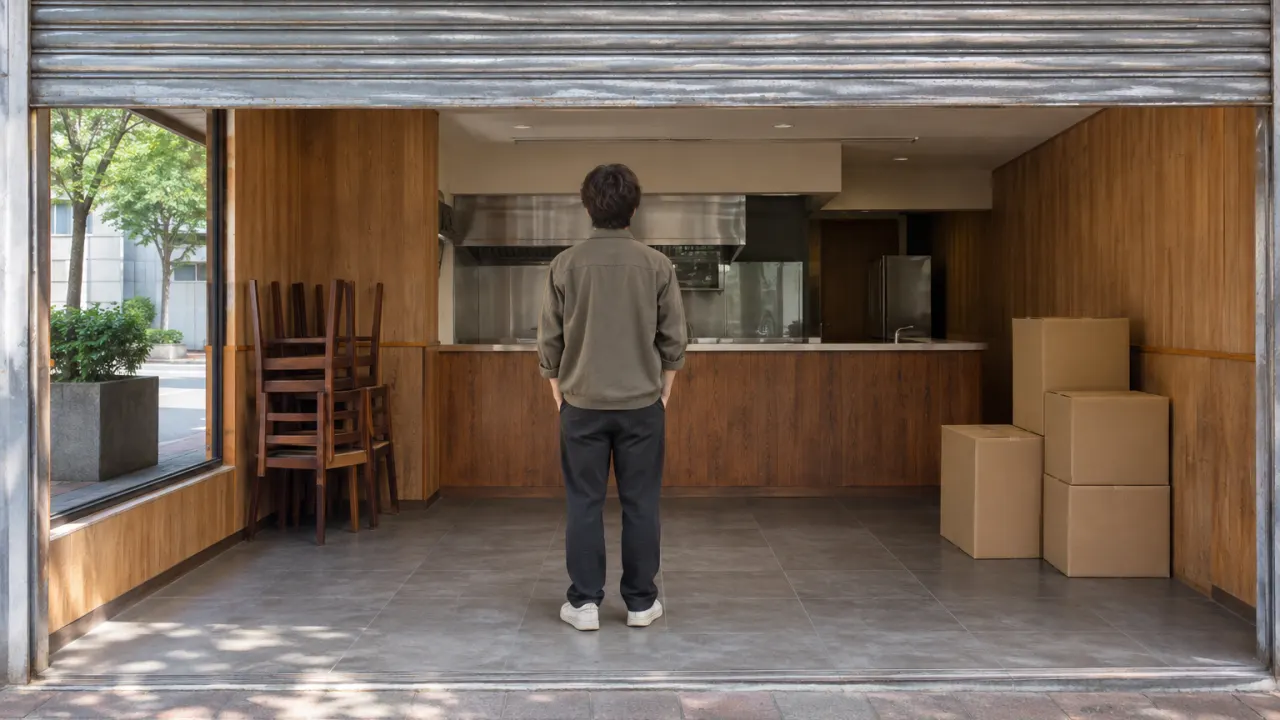
A tenant leases a ground-floor unit in Kaohsiung for five years, opens a Korean restaurant, and spends NT$3 million on the fit-out. The deposit is three months' rent. As the term nears its end, a regular customer offers NT$1.5 million in key money (頂讓費) to take over the place, equipment included (an invented example).
Three conditions in Article 431
Where a lessee incurs beneficial expenses (有益費用) that increase the value of the leased property, and the lessor knew and did not object, the lessor must repay them when the lease ends (Article 431(1)).
The third condition, knowledge without objection, is about evidence: drawings sent before work began and the landlord's reply, the building's renovation filing, the dates the landlord came to look.
If the lease requires written consent before renovation, a signed consent largely settles the third condition. It is not a promise to pay. Unless it states what the landlord will bear, repayment stays capped at the increase still existing. Nor does Article 431 support cost-sharing while the shop is still trading.
What if the lease says the tenant waives any claim for fit-out costs? Then that clause comes first. In standard terms one party prepared for contracts of the same kind, a term making the other side waive rights is void where obviously unfair in the circumstances (Article 247-1(3)). It matters most for a mall's form used for many tenants.
Receipts versus the value that remains
Can the tenant recover all NT$3 million? Article 431(1) repays the expense, capped by the "existing increase in value" when the lease ends. If that increase exceeds the cost, only the cost is repaid; if it is lower, only the increase.
After five years, floors and lighting are worn, and barbecue ducting may mean little to the next tenant. The increase must be proved by appraisal or quotation, and a party asserting a fact in its favour bears the burden of proving it (Code of Civil Procedure, Article 277). That is the tenant. Keep invoices, build photos and equipment specifications until move-out.
What can come out, and what must be put back
Article 431(2) offers another route. Fixtures the lessee added (工作物) may be removed, but the property must then be restored to its original condition.
When the lease ends, the lessee must return the property (Article 455). In the Civil Code's lease provisions, "original condition" appears only in that proviso, so what a "restore before return" clause demands, such as removing older partitions, is read from the lease, the handover record (點交紀錄) and move-in photos.
If the landlord prefers to keep the equipment, put in writing that it stays, whether it is paid for, and how far restoration is waived.
What about ordinary wear? A lessee who breaches the duty of care of a prudent manager is liable for resulting damage. Changes or damage from use in the agreed manner, or in keeping with the property's nature, are excluded (Article 432(2)).
Unpaid rent adds a hurdle. A lessor of real property holds a lien for lease claims over the lessee's items on the premises, except items exempt from attachment, up to damages already claimable and rent unpaid for the current and earlier periods (Article 445). Except in the cases in Article 446(2), such as removal in the course of business, the lessor may block removal without a court and may terminate if items are taken secretly or despite objection (Article 447). Security equal to an item's value frees it (Article 448).
Repairs follow different articles
Landlords must deliver the premises fit for the agreed use and keep them so (Article 423). Repairs fall on the lessor unless the contract or custom provides otherwise (Article 429(1)). If the lessor ignores a reasonable deadline to repair, the lessee may terminate, or repair and claim the cost or deduct it from rent (Article 430). Shop leases sometimes put repairs on the tenant instead.
Key money has no statute behind it
Key money is not a legal term. The words 頂讓, 權利金 and 押租 do not appear in the Civil Code or the Land Act, and neither statute obliges a landlord to protect key money or accept a newcomer.
So the NT$1.5 million deal binds only the outgoing tenant and the newcomer. Whether the money comes back if the newcomer cannot get a lease is for their contract. If landlord consent is made a condition, the deal takes effect when the landlord consents (Article 99(1)). The agreement should also cover the equipment list, price, deposit settlement, a refund deadline if the landlord refuses, and the handover date.
Sublease or a new tenant: where consent is needed
Subletting needs the lessor's consent, though part of a building may be sublet unless agreed otherwise (Article 443(1)). Handing over the whole shop falls outside that exception, and an unauthorised sublease lets the lessor terminate (Article 443(2)). With consent, the head lease continues and the lessee answers for damage the sublessee is responsible for (Article 444). Get the consent in writing, with scope and term.
Swapping tenants outright? The lease provisions have no article on assigning the lessee's position. Under the general rule on assumption of debt, a third party's agreement with the debtor to take over the debt has no effect on the creditor until ratified (Article 301). Until the landlord agrees, the old tenant still owes the rent.
Deposit refund claims can be assigned unless a special agreement forbids it, and that agreement cannot be raised against a third party in good faith (Article 294). An assignment binds the landlord once the assignor or assignee gives notice (Article 297(1)).
Deductions from the deposit
The Civil Code has no article on the amount, return or deduction of a lease deposit. The two-month cap in Article 7 of the Rental Housing Market Development and Regulation Act applies only to buildings let for residential use (Article 3(1)), so a shop is outside them. Land Act Article 99 caps a cash security at two months' rent and lets the excess be set against rent. Its text says only "房屋" (buildings), so whether it covers shops cannot be settled from the text alone.
Deductions therefore turn on the lease clause: which of unpaid rent, management fees, restoration works and damages it allows. Does the landlord's quote restore the pre-lease state, or refit the unit for the next tenant? Under the Article 432(2) proviso, ordinary wear from agreed use is not a damages claim. For homes, see getting a residential deposit back. A court may reduce an excessive penalty for late return (Article 252; see penalty clause reductions).
No deduction clause at all? The landlord can still claim set-off. Mutual debts of the same kind that are both due may be set off (Article 334(1)), by declaration to the other (Article 335(1)). With a disputed restoration bill, the claim and its amount are argued first.
When the two years start
Article 456 puts three rights on a two-year limitation: the lessor's damages claim for harm to the property, the lessee's claim for repayment of expenses, and the lessee's right to remove fixtures. The lessor's period runs from the return of the property, the lessee's from the end of the lease. A December 31 end and a March return put the two clocks over two months apart. A signed return receipt is evidence of the date the landlord's two years start, and photos from that day show how far restoration went.
A fixed-term lease ends when the term expires (Article 450(1)). If the tenant keeps trading and the landlord does not object promptly, the lease is deemed to continue for an indefinite term (Article 451), and the tenant's two years then run from when that lease actually ends.
Deposit refunds are not on Article 456's list. Claims without a shorter statutory period prescribe in fifteen years (Article 125). The fit-out claim is the one in a hurry.
Where a Taiwan lawyer fits
A Taiwan lawyer can test the lease against Articles 431 and 443, gather proof the landlord knew of the works, commission an appraisal, draft the consent condition and assignment notice, and negotiate or litigate. Consultations on civil disputes are available at wei@hoveringlaw.com.tw. Hovering International Law Firm (昊鼎國際法律事務所), Taipei: 7F-2, No. 35, Sec. 1, Chengde Rd., Datong Dist., Taipei City 103. Taichung: 6F-1, No. 19, Guanqian Rd., North Dist., Taichung City 40453.
If the Kaohsiung restaurant's lease ended on December 31, its two years to claim the fit-out and remove the equipment began that day. The date the keys changed hands does not move it.
Sources
Checked November 3, 2026. Taiwan laws are cited from the Chinese originals.
- Civil Code (民法), Article 99
- Civil Code, Article 125
- Civil Code, Article 247-1
- Civil Code, Article 252
- Civil Code, Article 294
- Civil Code, Article 297
- Civil Code, Article 301
- Civil Code, Article 334
- Civil Code, Article 335
- Civil Code, Article 423
- Civil Code, Article 429
- Civil Code, Article 430
- Civil Code, Article 431
- Civil Code, Article 432
- Civil Code, Article 443
- Civil Code, Article 444
- Civil Code, Article 445
- Civil Code, Article 446
- Civil Code, Article 447
- Civil Code, Article 448
- Civil Code, Article 450
- Civil Code, Article 451
- Civil Code, Article 455
- Civil Code, Article 456
- Code of Civil Procedure (民事訴訟法), Article 277
- Land Act (土地法), Article 99
- Rental Housing Market Development and Regulation Act (租賃住宅市場發展及管理條例), Article 3
- Rental Housing Market Development and Regulation Act, Article 7
Frequently Asked Questions
- My landlord approved the renovation. Can I recover the full cost when I leave?
- Article 431(1) of the Civil Code requires the landlord to repay beneficial expenses when the lease ends if they raised the property's value and the landlord knew and did not object, but only up to the increase in value still existing. Receipts are not the measure. The claim lapses if not exercised within two years of the lease ending (Article 456).
- Do I need the landlord's consent to hand the shop to a buyer who pays key money?
- No Civil Code article governs key money (頂讓費); the deal binds only the outgoing tenant and the newcomer. Subletting needs the landlord's consent, except that part of a building may be sublet absent a contrary agreement (Article 443(1)). A newcomer's promise to take over the rent has no effect on the landlord until the landlord ratifies it (Article 301).
- The landlord wants to deduct restoration costs from my deposit.
- The Civil Code has no article on the amount, return, or deduction of a lease deposit (押租金), so the lease's deduction clause governs. A tenant is not liable for changes or damage caused by use in the agreed manner or in keeping with the property's nature (Article 432(2), proviso). The landlord's damages claim lapses two years after the premises are returned (Article 456).
This article provides general information and is not legal advice on any individual matter.


